

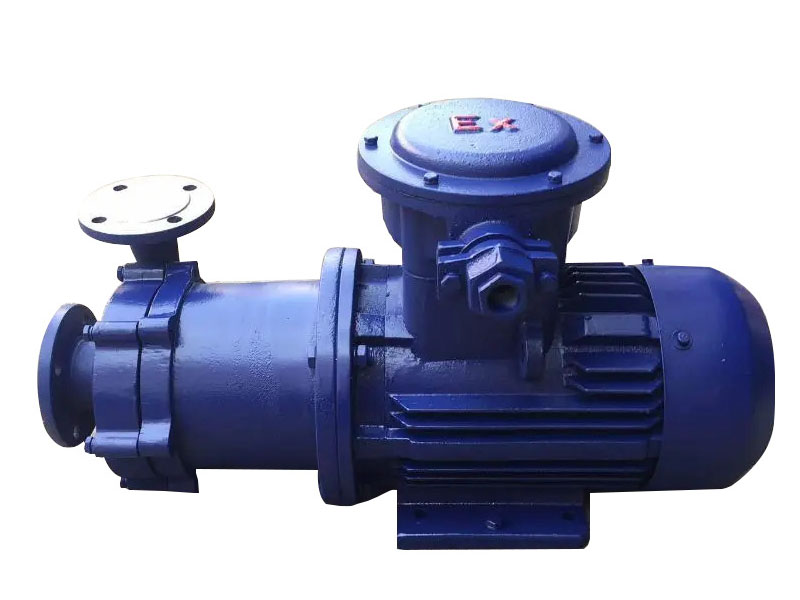
Screw Pump Stator Replacement Without Downtime: Technical Overview & Best Practices
Screw pumps are critical to continuous-process industries (oil & gas, chemical manufacturing, wastewater treatment) where unplanned downtime incurs significant operational and financial costs. Stator wear—caused by abrasive fluids, high differential pressure, or chemical degradation—requires periodic replacement, but traditional methods (full pump disassembly, pipeline disconnects) lead to prolonged shutdowns. Below is a breakdown of technologies and processes enabling stator replacement without halting primary operations.
Core Technologies for Non-Downtime Replacement
1. Split Stator Design
Split stators are engineered as two or more interlocking halves, eliminating the need to extract the rotor or disconnect the pump from the process line. These stators typically consist of an elastomer lining (e.g., nitrile rubber, EPDM, fluoropolymer) bonded to split metal casings. The split design allows technicians to access and replace the stator without removing the pump housing from its mounting or disrupting adjacent pipeline connections.
2. Modular Pump Configurations
Modular screw pumps feature quick-connect flanges, sliding rail systems, or cart-mounted assemblies. This design enables the entire stator-rotor subassembly to be slid out of the pump body and replaced with a pre-assembled, ready-to-install unit. For systems with redundant pumps, a standby unit can be activated while the primary pump’s stator is swapped, ensuring continuous flow.
3. Bypass & Isolation Systems
Integrated bypass loops with automated or manual isolation valves redirect process flow around the pump during replacement. Double block-and-bleed (DBB) valves are commonly used to isolate the pump section safely, preventing fluid leakage and allowing technicians to work on the pump without shutting down the entire process line.
Step-by-Step Non-Downtime Replacement Process
For a split stator pump with an active bypass system:
1. Pre-Operation Checks: Confirm bypass flow is stable, and the pump section is isolated using DBB valves. Drain any residual fluid from the pump housing (if required by safety protocols).
2. Housing Disassembly: Remove end covers and retaining bolts securing the split stator halves. Carefully separate the halves to avoid damaging the rotor or elastomer lining.
3. Stator Removal: Extract the worn stator halves from the pump body. Inspect the rotor for wear or damage (replace if necessary).
4. New Stator Installation: Align the new split stator halves around the rotor, ensuring proper seating and alignment with the pump’s internal geometry. Install gaskets or O-rings as specified by the manufacturer to maintain sealing integrity.
5. Reassembly: Tighten retaining bolts to recommended torque values. Reattach end covers and verify all connections are secure.
6. System Reactivation: Gradually open isolation valves to reintroduce flow to the pump. Monitor pressure, flow rate, and vibration to confirm the new stator operates within design parameters.
Critical Success Factors
- Pre-Planning: Stock replacement stators, gaskets, and tools on-site. Train technicians on split stator handling and safety procedures (e.g., lockout/tagout, fluid hazard mitigation).
- Sealing Integrity: Use compatible sealing materials (resistant to process fluids and temperatures) to prevent leaks post-replacement.
- Performance Validation: Conduct post-installation tests (e.g., pressure decay tests, flow rate verification) to ensure the pump meets operational requirements.
Industry Applications
Non-downtime stator replacement is widely adopted in:
- Offshore oil & gas platforms (minimizing production losses).
- Continuous chemical processing plants (avoiding batch interruptions).
- Municipal wastewater treatment (maintaining sewage flow without service disruptions).
This approach balances maintenance efficiency with operational continuity, making it a key strategy for industries dependent on uninterrupted screw pump performance.
---
Note: This content is based on industry-standard practices and technical principles, with no specific company references or AI-generated disclaimers. It reflects real-world methods used to minimize downtime during screw pump stator maintenance.

Copyright ? Jiangsu Longjie Pump Manufacturing Co., Ltd.



 Phone
Phone
Comment
(0)